





The Historical evolution of giant LED screens: From its origins to its global impact
The history of giant LED screens dates back to the 1960s, when scientists discovered the phenomenon of electroluminescence in semiconductors. It was in the laboratories of the American company Texas Instruments where the first LEDs were developed, and from there they began to explore their potential for commercial applications. However, it was in 1977 that an important milestone in the history of giant LED screens occurred, with the creation of the first large-scale LED screen. This display, known as the ‘Jumbotron’, was developed by the Japanese company Sony and premiered at the Tokyo baseball stadium. Its impact was such that it became a landmark attraction and ushered in a new era in advertising and entertainment.
Expansion and development of giant LED screens
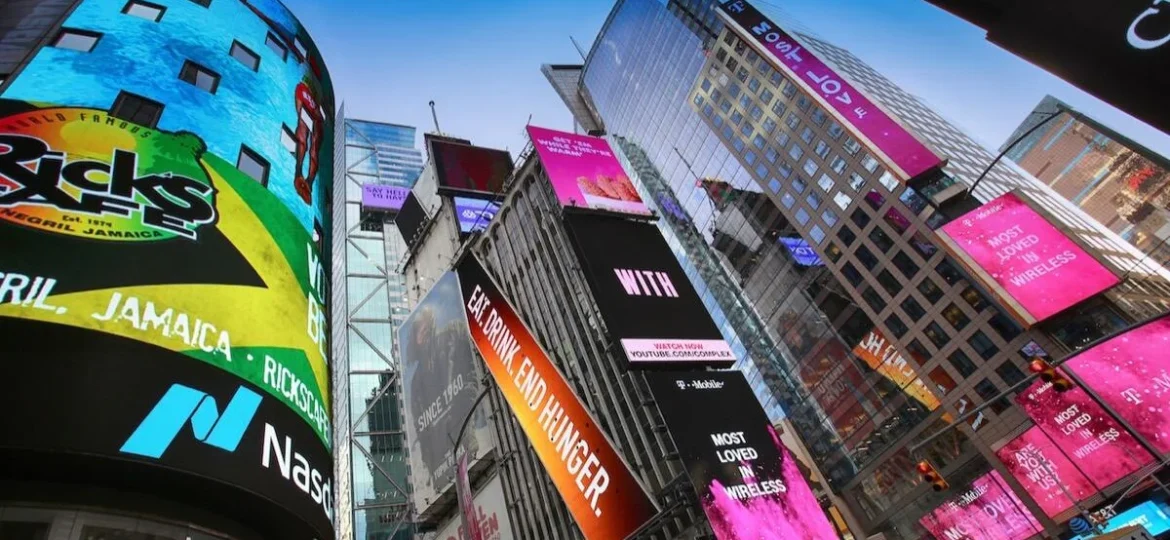
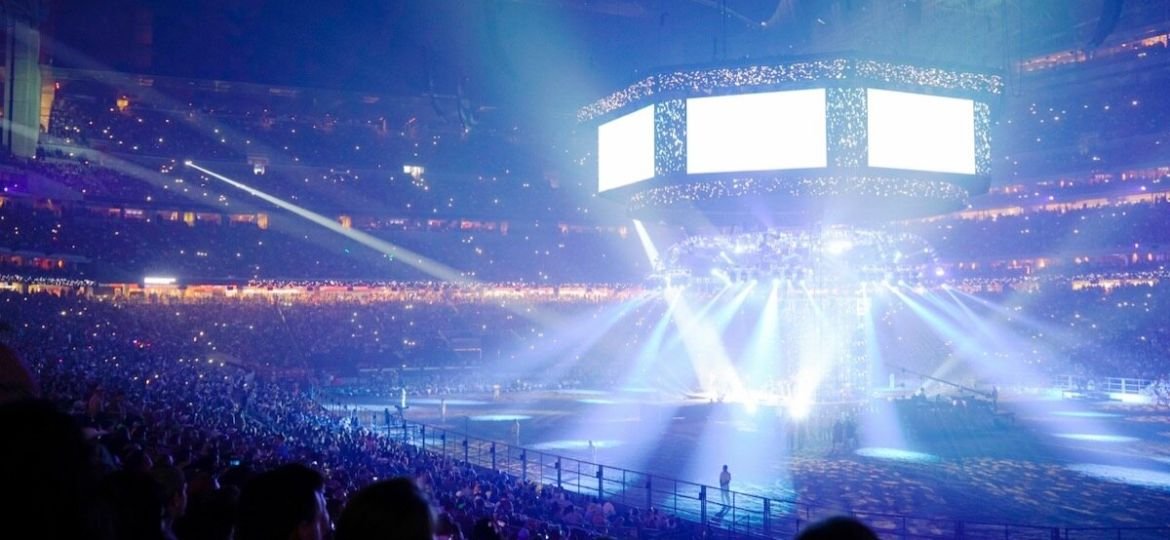
After the initial success of the Jumbotron screen, giant LED screens were spreading all over the world the world. They soon became a common feature in sports stadiums, shopping malls, public squares, and other urban spaces. In the 1980s, significant advances were made in LED technology, allowing for the production of larger, brighter displays. In addition, more sophisticated control and management systems were developed, making it easier to program and control the content displayed on the screens. This opened up new opportunities for marketing, advertising and live streaming of events.
Global manufacturing and use of giant LED screens
As LED technology has advanced, giant screens have also evolved in terms of resolution, brightness and versatility. The introduction of high-definition (HD LEDs has enabled sharper and more detailed image reproduction, improving the viewing experience for viewers. In addition, curved and flexible screens have been developed, offering new design possibilities and allowing adapt to different spaces and architectural forms.Continuous innovation in LED technology has led to more energy efficient giant screens, with greater durability and better image quality.
